


Cassava starch factories generate a lot of residue. For every ton of starch, several tons of wet pulp come out the back end. For years, the standard answer was to pile it, give it away, or pay someone to haul it off.
That is changing. Dried cassava residue has real markets, and the equipment to produce it is now standard rather than exotic. Here is what a Cassava Residue Drying System actually delivers, in plain terms.
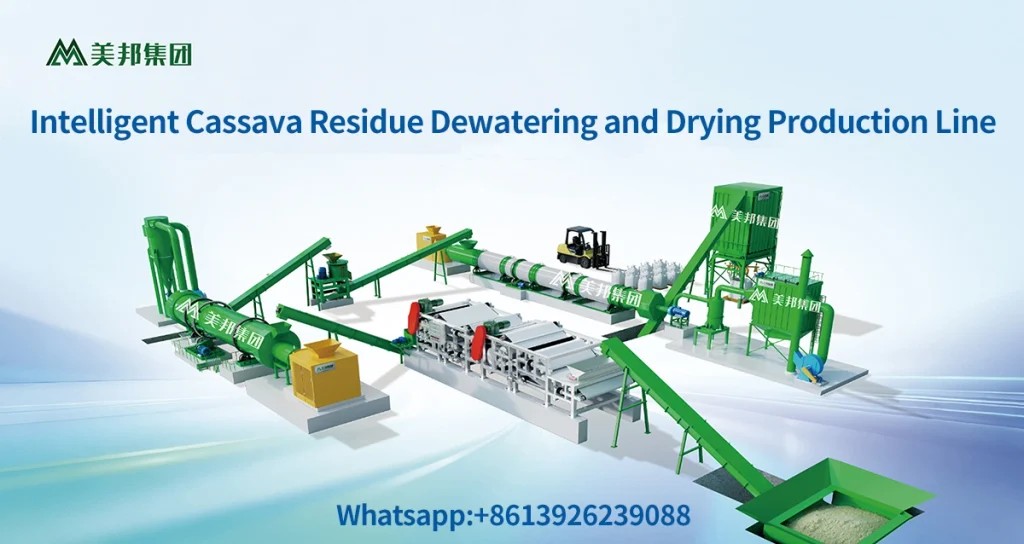
The Moisture Journey
Start at 85% moisture. Wet pulp at this level is heavy, smells within days, and leaches liquid into the ground.
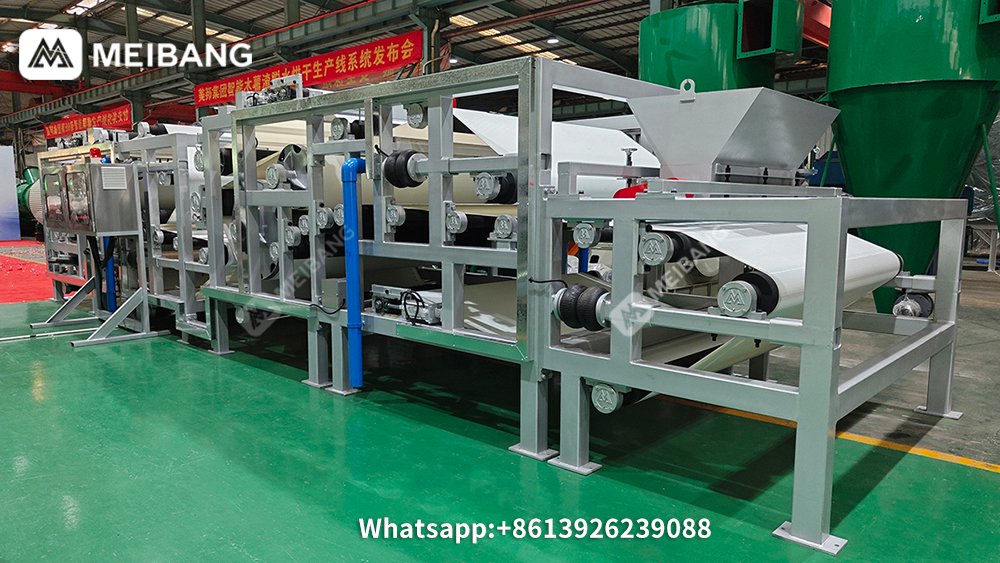
After a Cassava Residue Dewatering step using a double-head press, moisture drops to about 65%. The material is now crumbly rather than sloppy, and much lighter.
After the first drying pass in a Cassava Residue Dryer, moisture is around 50%. The material is then crushed and broken apart to expose fresh surface.
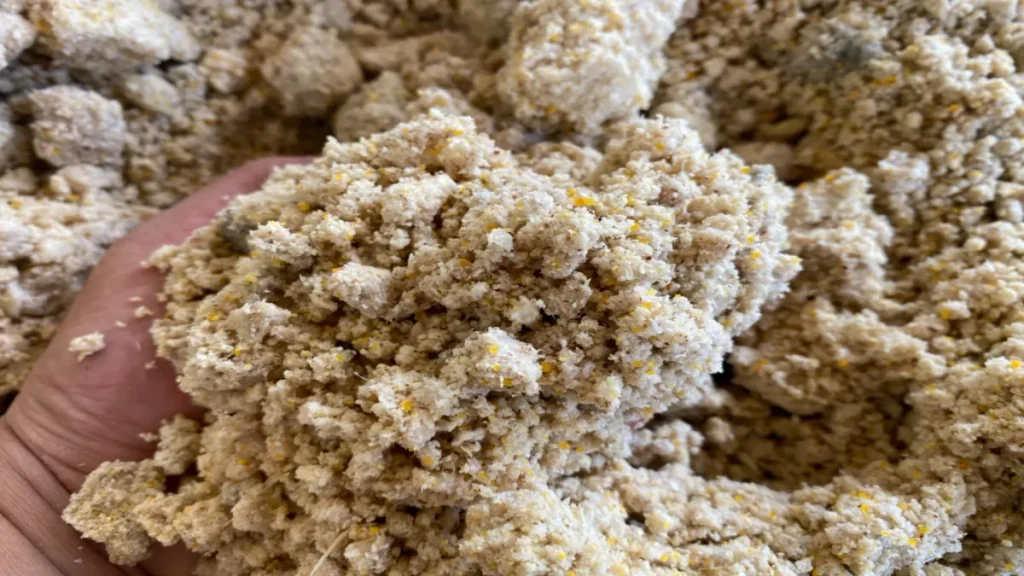
After the second drying pass, the output is below 20% moisture. At this point the residue is stable, storable, and transportable. It no longer rots, and it no longer smells.
Four Markets for the Output
- Animal feed. Dried cassava residue contains residual starch and fiber. It is used as a partial feed ingredient, particularly for ruminants. Feed mills buy on moisture and consistency, so even drying matters.
- Organic fertilizer. The residue is organic matter. Composted or processed, it improves soil structure. Fertilizer producers value a consistent, low-moisture input.
- Biomass fuel. Dried cassava residue burns as a solid fuel. Plants with biomass boilers can use it internally, offsetting purchased fuel, or sell it.
- Cat litter raw material. Cassava-based absorbent material is an established product category. Low moisture and the right particle size are the key specs.
Each market pays a different price, and each has its own quality requirements. The point is that you are no longer paying to dispose of something. You are producing a specification product.
The Environmental Side
This is not only about revenue. Wet residue piled on site creates odor, leachate, and fly problems, and it is one of the first things an environmental inspector looks at. A working Cassava Dregs Processing Line removes that exposure. Dust collection inside the line also protects air quality and worker safety.
For plants under pressure from local regulators, the compliance value alone can justify the investment.
Why Low Energy Matters
The economics of drying depend on energy. A Low Energy Cassava Dryer keeps operating cost low through three things: good dewatering before the dryer (so less water has to be evaporated), efficient heat transfer, and heat recovery or a cheap fuel source such as biomass.
Run the numbers on your own residue volume. For most starch plants, the combination of avoided disposal cost, avoided fines, and product revenue pays back the line within a reasonable period. The exact figure depends on local disposal costs and local market prices, so get quotes for both before you decide.
Safety Is Part of the Product
Dry cassava dust is combustible. Any serious Cassava Pulp Drying Machine installation includes dust collection, temperature limits, and spark protection. A dryer that scorches material is not just wasting product, it is a fire risk. Make safety systems part of your purchase specification, not an afterthought.
Bottom Line
Wet cassava residue is a cost. Dried cassava residue is a product. The difference is a dewatering press, a well-controlled dryer, a crushing step, and dust control, working as one line. Plants that install this system stop worrying about residue and start counting it as output.