

Meibang Intelligent Cassava Residue Dewatering and Drying Production Line
Deep-processed products such as animal feed, alcohol and cassava cat litter enjoy broad market prospects and high economic value
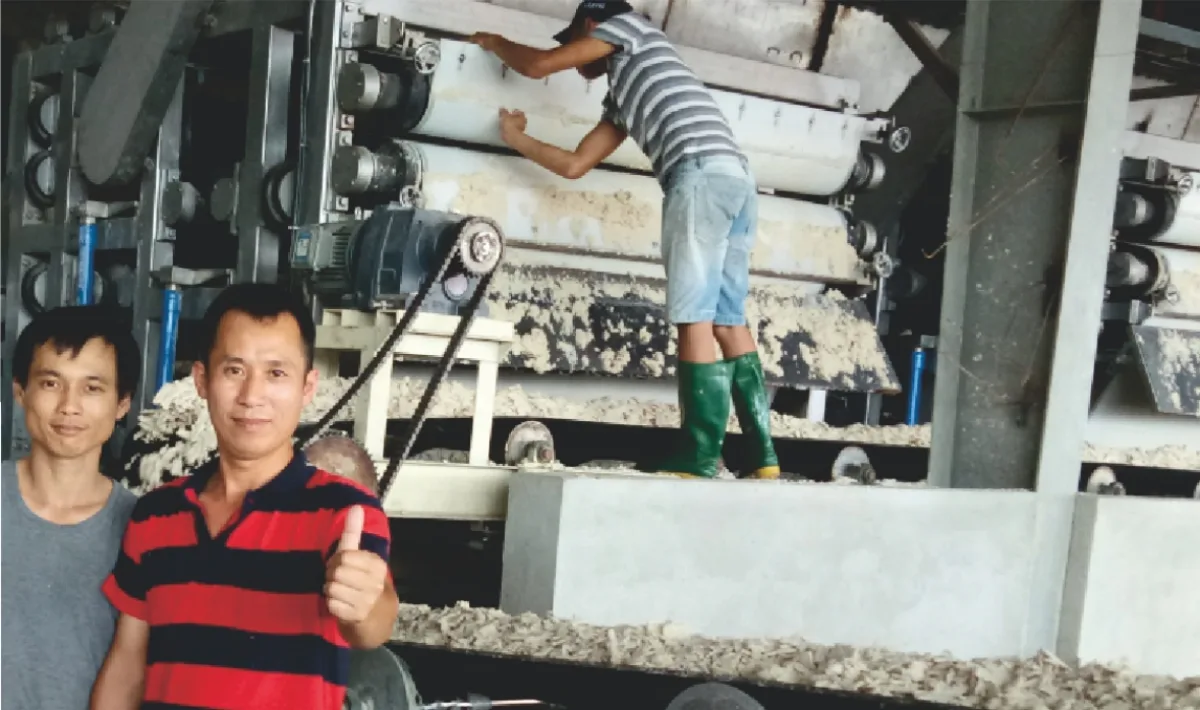
Thailand Cassava Residue Dewatering Project
Manager of Cassava Starch Processing Plant
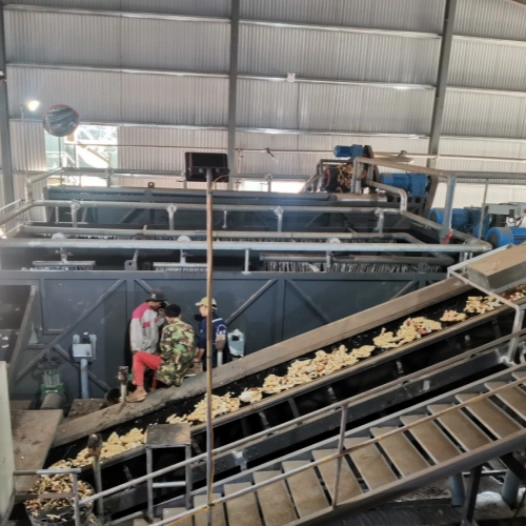
The Meibang 3.5m dual-motor press delivers impressive capacity, with a maximum hourly throughput of 20 tons. It features high automation and strong reliability to meet 24-hour continuous operation requirements.
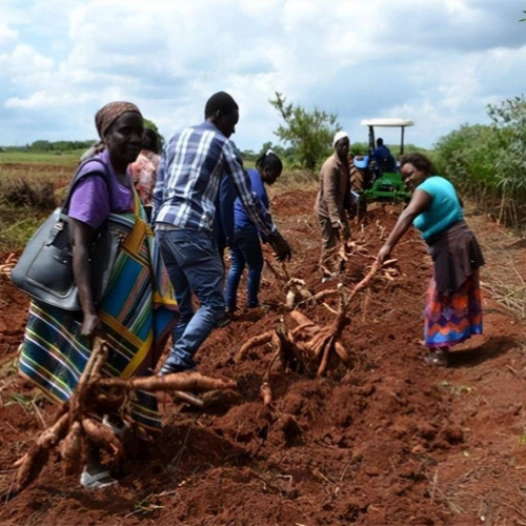
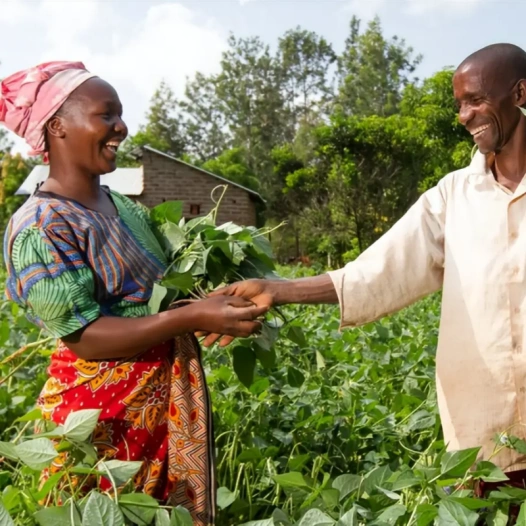
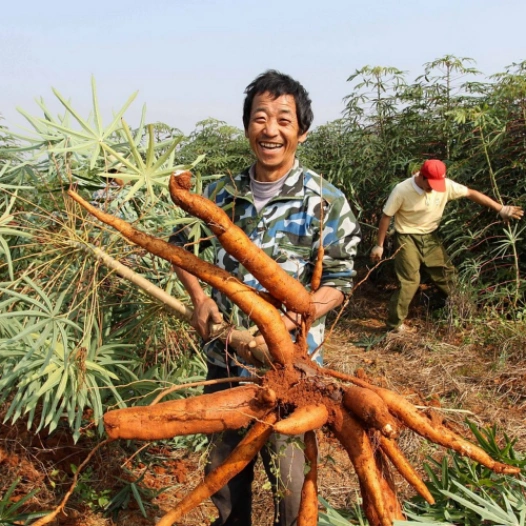
Origin of Cassava Residue
From cassava planting, harvesting and processing to cassava residue raw materials
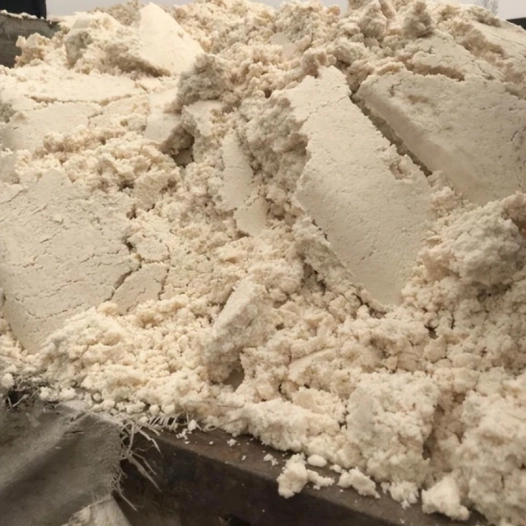
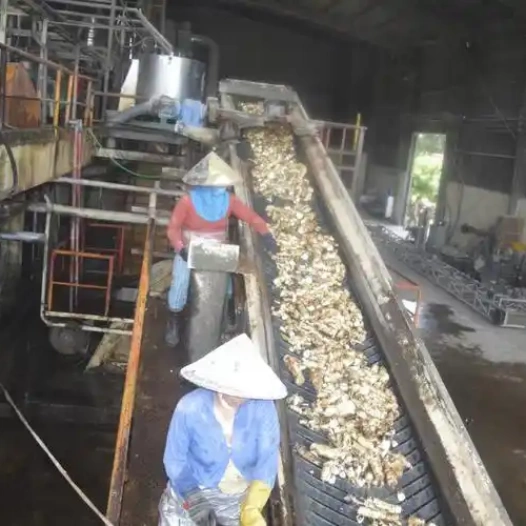
Applications of Cassava Residue
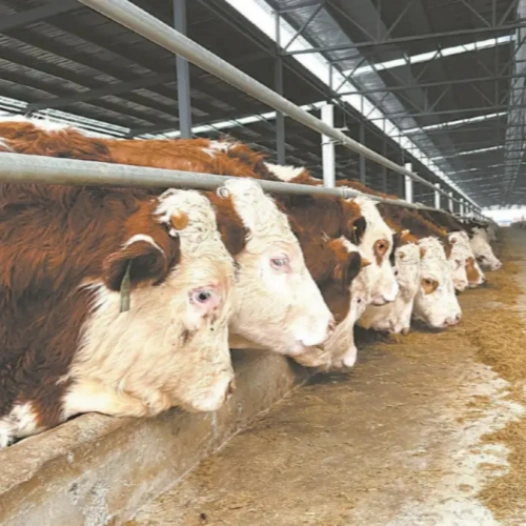
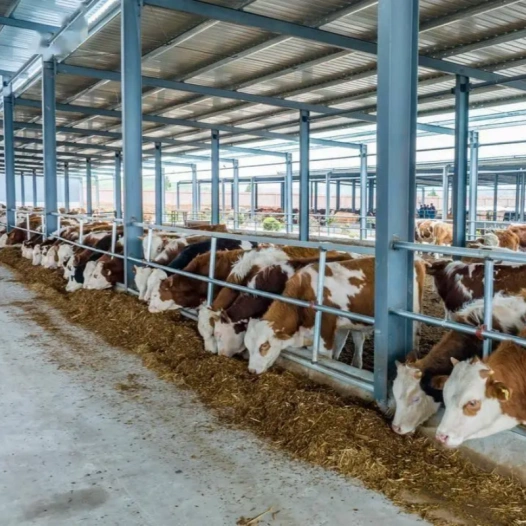
After dewatering, cassava residue can be further processed into animal feed, alcohol, biofuel, cassava cat litter and other products


Client Testimonials
“Our starch plant used to leave cassava residue untreated and let farmers haul it away. After introducing Meibang multi-roll presses for dewatering, the residue can be sold as raw material to feed mills, generating over one million US dollars in additional revenue per year.”
Mr. Somchai
“Nigeria harvests 50 million tons of cassava yearly. Cassava residue disposal has long been a challenge. Most was previously discarded with no economic gain and environmental harm. Large Meibang dual-motor presses solve this problem. We plan to install the cassava cat litter production line.”
Joseph
“Our starch plant has recently upgraded its production line and purchased large presses from Meibang Group for the third time. We are impressed by their high throughput, reliability and intelligence. Dewatered cassava residue is sold to biofuel plants. With high oil prices, biofuel is currently in short supply.”
Mr. Minh
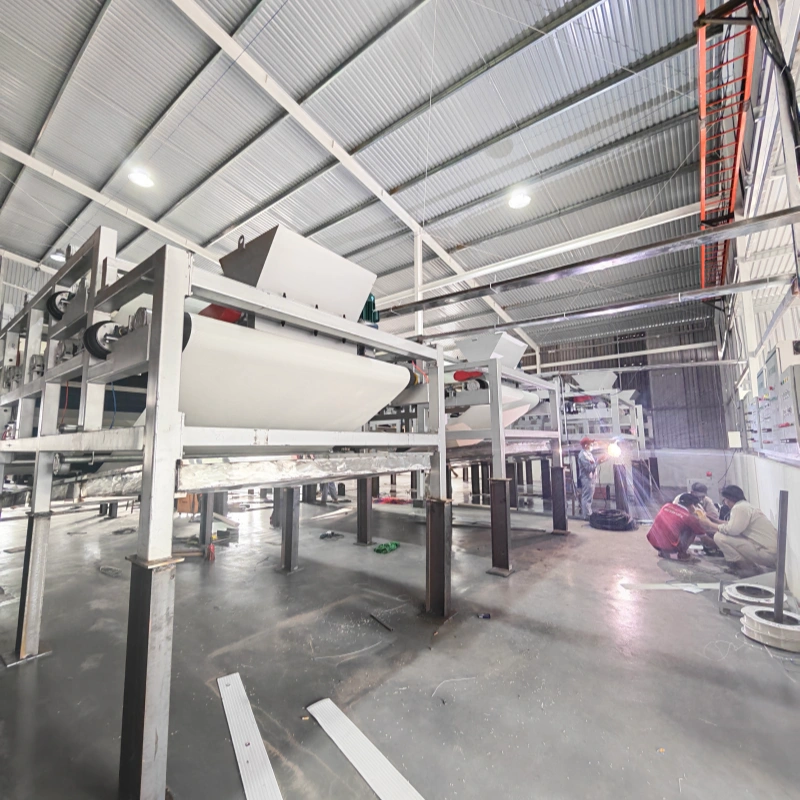
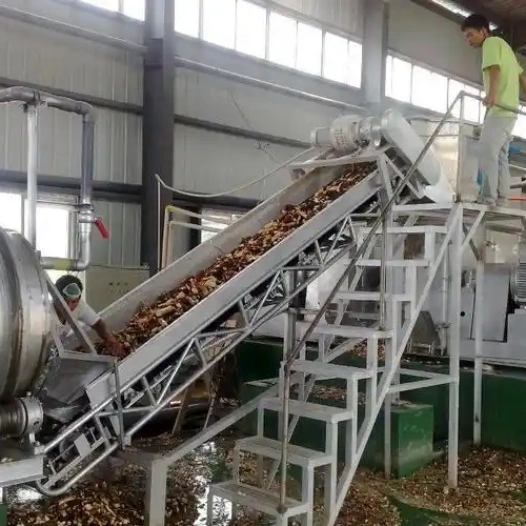
Technicians Install Equipment for Thai Cassava Starch Plants
We design the presses according to customers’ throughput and process standards to fully meet their requirements


