


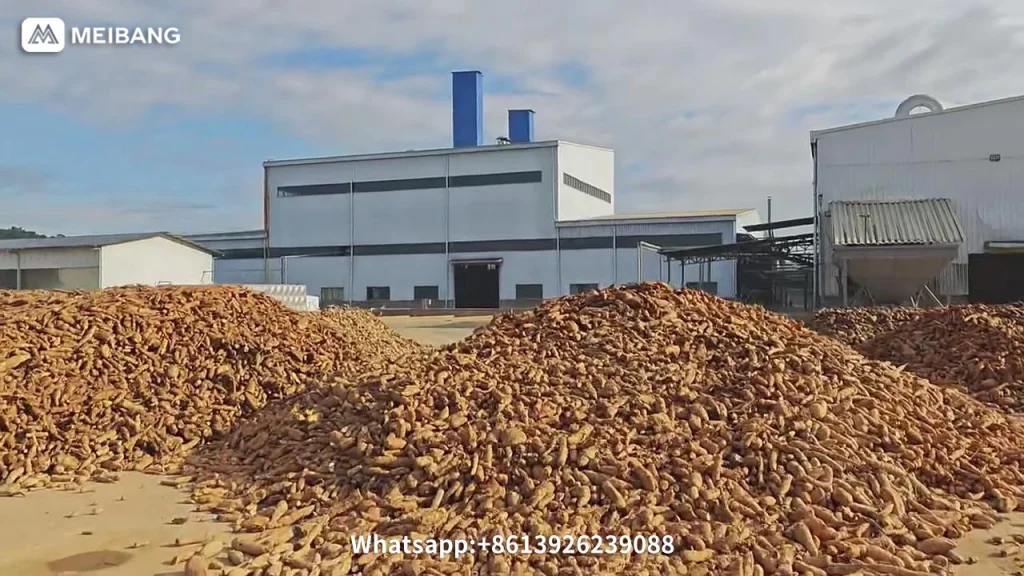
Cassava Residue Dewatering Machine helps solve a common headache for cassava manufacturers. Every year, cassava processing plants in Southeast Asia and Africa generate huge volumes of wet residue. Starch factories, flour mills, and small-scale processors all face the same question: what do we do with the pulp?
The traditional answer—piling it up and letting it rot—is no longer acceptable. It wastes space, attracts pests, produces unpleasant odors, and can contaminate soil and water. It also wastes a material that has real value if handled correctly.
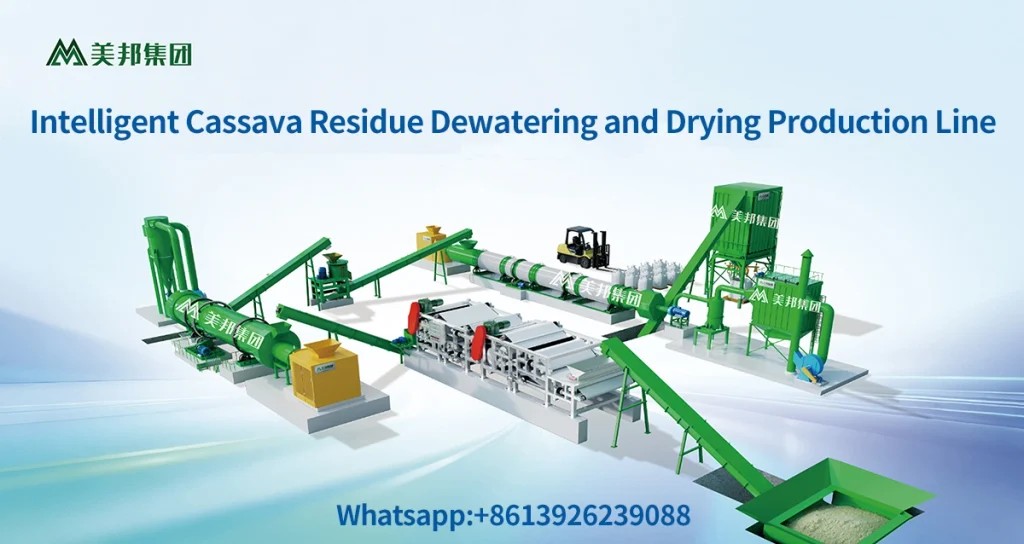
This is where modern dewatering and drying technology comes in. Meibang Group’s smart cassava residue dewatering and drying line is built to solve this problem from start to finish, and it is already helping processors in key cassava-growing regions improve efficiency and profitability.
Dewatering first: the key to everything else
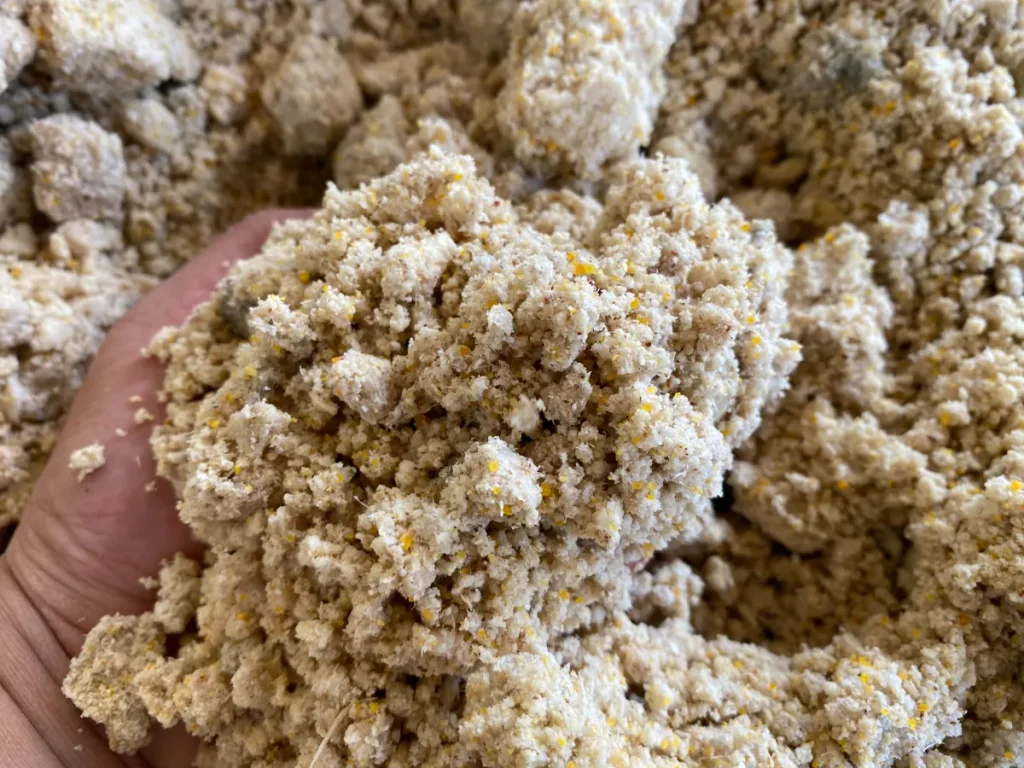
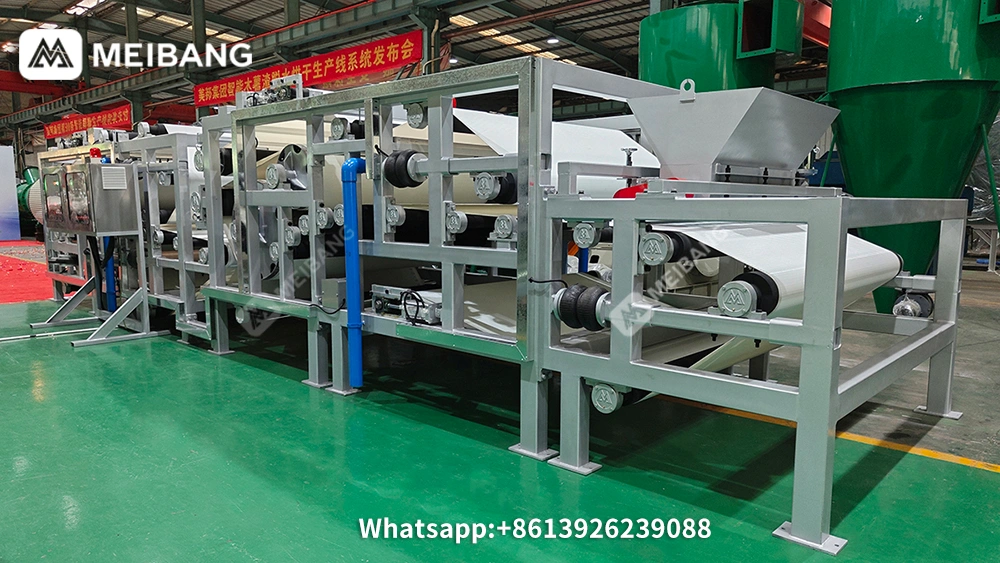
Wet cassava pulp can contain more than 60% moisture. That means a truckload of pulp is mostly water—expensive to move, hard to store, and quick to spoil. The Cassava Pulp Dewatering Machine addresses this by mechanically pressing out free water. The result is a much drier, lighter material that is easier to handle and cheaper to transport.
This Cassava Residue Dewatering step is not just about convenience. It directly affects the economics of the whole operation. Less water means less energy needed in drying, which means lower fuel costs and faster throughput. Processors who skip dewatering often find their drying stage becomes a bottleneck. Those who invest in proper dewatering see immediate gains.
Drying with care: quality and energy efficiency
After dewatering, the material moves to the Cassava Pulp Drying Machine. Meibang’s dryer is designed with two priorities: protecting product quality and keeping energy use low.
The Low Energy Cassava Dryer uses optimized airflow and temperature control to dry cassava residue evenly without scorching. This matters because overheated residue can lose digestible nutrients, which lowers its value as animal feed. Consistent, gentle drying preserves quality and keeps the final product attractive to buyers.
The Cassava Residue Dryer is also built for continuous operation, which suits the pace of busy cassava processing plants. With a well-matched dewatering and drying setup, the whole Cassava Residue Drying System can run smoothly shift after shift.
Dust control: clean and compliant
A complete Cassava Dregs Processing Line includes dust collection. Drying and handling dry residue can generate fine dust, which is a health and safety concern if not managed. Meibang’s integrated dust collection system captures these particles, keeping the workplace cleaner and helping plants meet environmental standards.
From waste to multiple products
The biggest change is what happens after drying. Dried cassava residue is a versatile raw material. It can be used in:
- Animal feed – a source of energy for livestock, especially in regions where conventional feed is expensive
- Alcohol distillation – a feedstock for ethanol and spirits production
- Cat litter – an absorbent, biodegradable option
- Organic fertilizer – returning nutrients to the soil
- Biomass fuel – a renewable energy source for boilers and power generation
Because of these diverse applications, dried cassava residue has a market value roughly double that of raw wet pulp. Processors can sell it to multiple buyers, reducing dependence on a single customer and creating stable extra income.
A practical upgrade for cassava processors
For plants in Southeast Asia and Africa, the smart cassava residue dewatering and drying line is a practical way to upgrade operations. It reduces waste disposal costs, cuts pollution, and adds a new revenue stream. It also supports circular economy goals by turning a byproduct into a useful resource.
Meibang Group continues to refine its equipment and support services, listening to feedback from processors in the field. The goal is simple: help cassava businesses operate smarter, cleaner, and more profitably. With the right Cassava Pulp Dewatering Machine and Cassava Residue Dryer, that goal is well within reach.